About us

Eight people. One responsibility.

SACRUM is not a platform of independent practices hiding behind one logo. Read the mission that holds us together, and the public code of ethics we want to be held to.

Meet the team

01 / Team

Competence built on trust

Eight routes into the same work.

Hypnosis, ISTDP, addiction work, breath, NVC — different training and different professional paths. What is shared is supervision, precise limits of competence, and a willingness to say plainly what a given person does not offer.

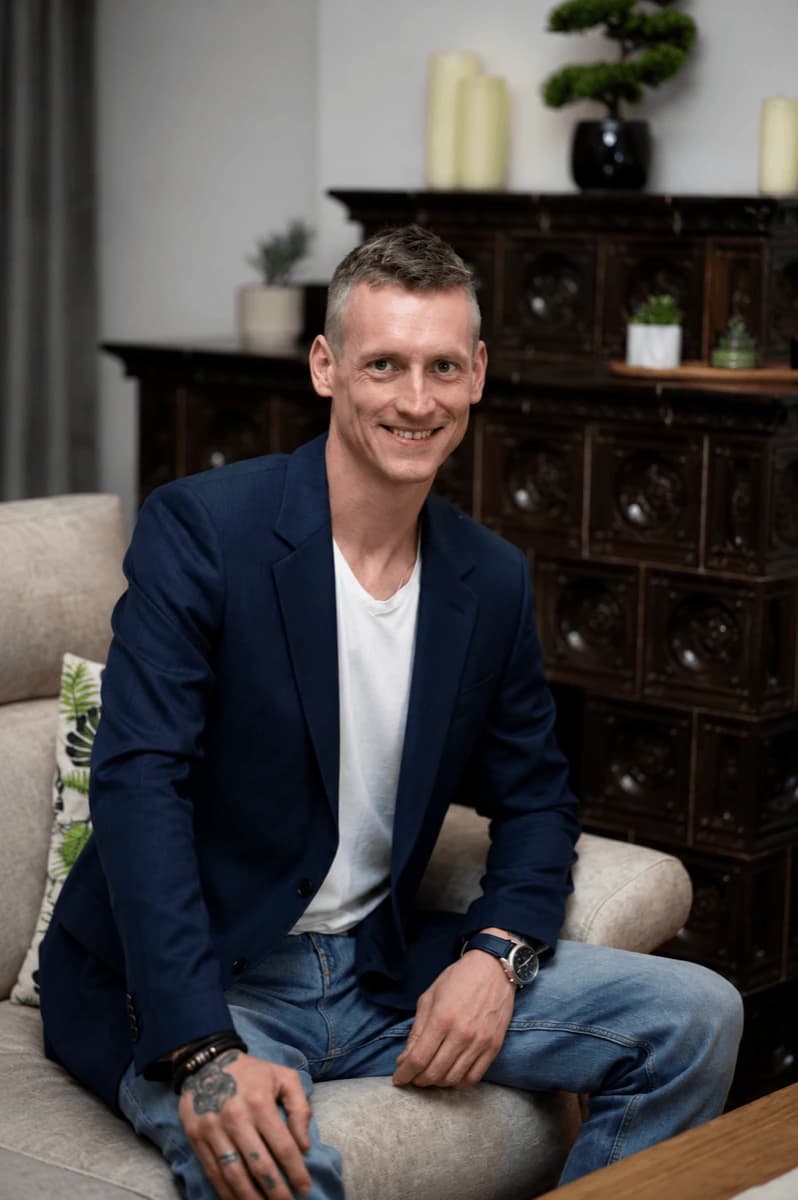
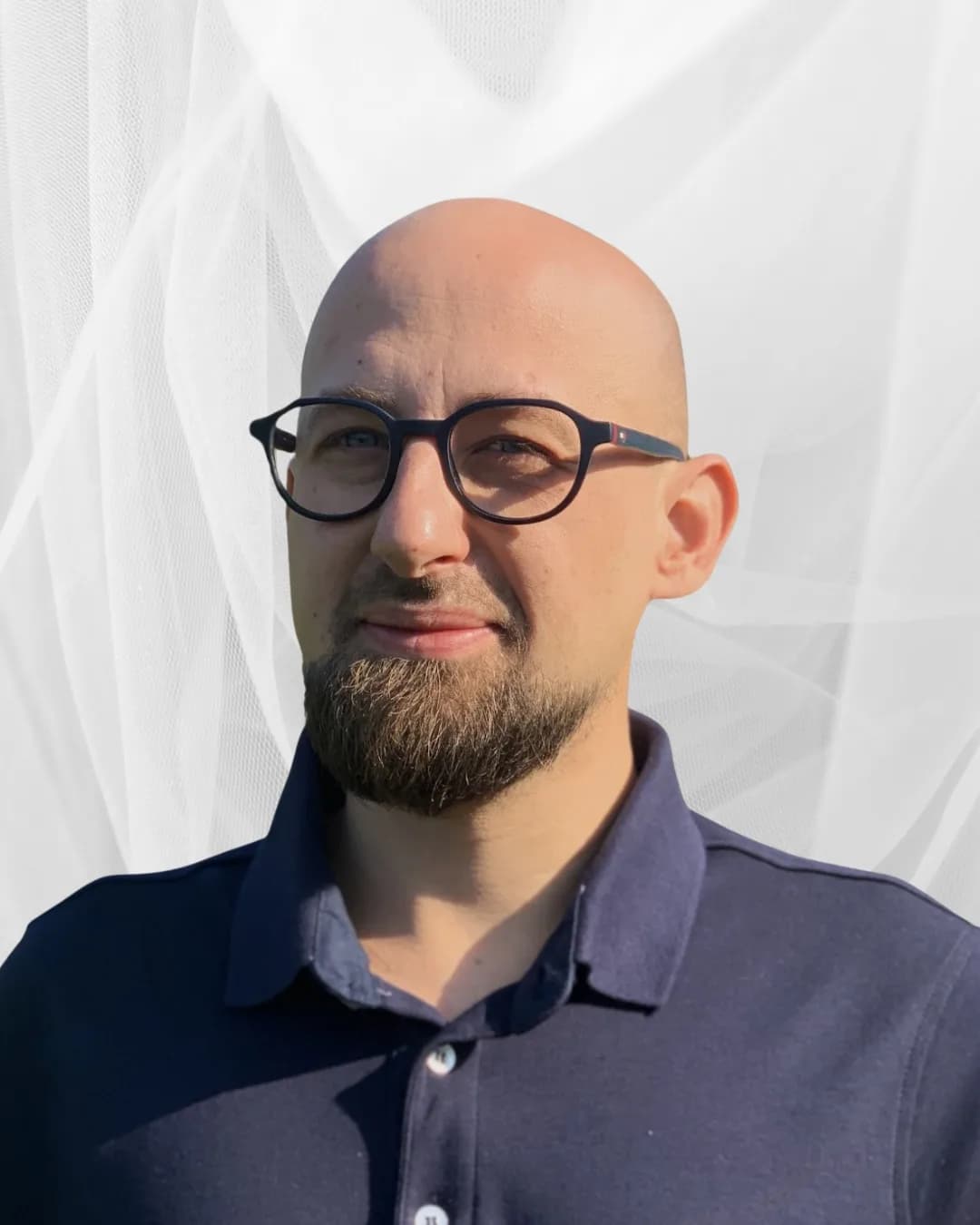
Piotr Matejuk

Founder

Piotr Matejuk

Founder of SACRUM · hypnotherapist · CAPT facilitator

Sets SACRUM's direction and makes sure that behind every method there is a relationship, accountability and an honest conversation about limits. Runs hypnotherapy and CAPT processes. Psychotraumatologist, doctoral candidate at the Institute of Psychology of the Polish Academy of Sciences, co-founder of the Professional School of Hypnotherapy.

  • Integrative Psychiatry Institute, Boulder — Psychedelic-Assisted Therapy Training
  • Psychedelic Sitters School
  • MAPS MDMA Therapy Education
  • Doctoral candidate, Institute of Psychology, Polish Academy of Sciences
  • Co-founder of the Professional School of Hypnotherapy
  • Author of «Self-hypnosis — Close Encounters with Yourself»
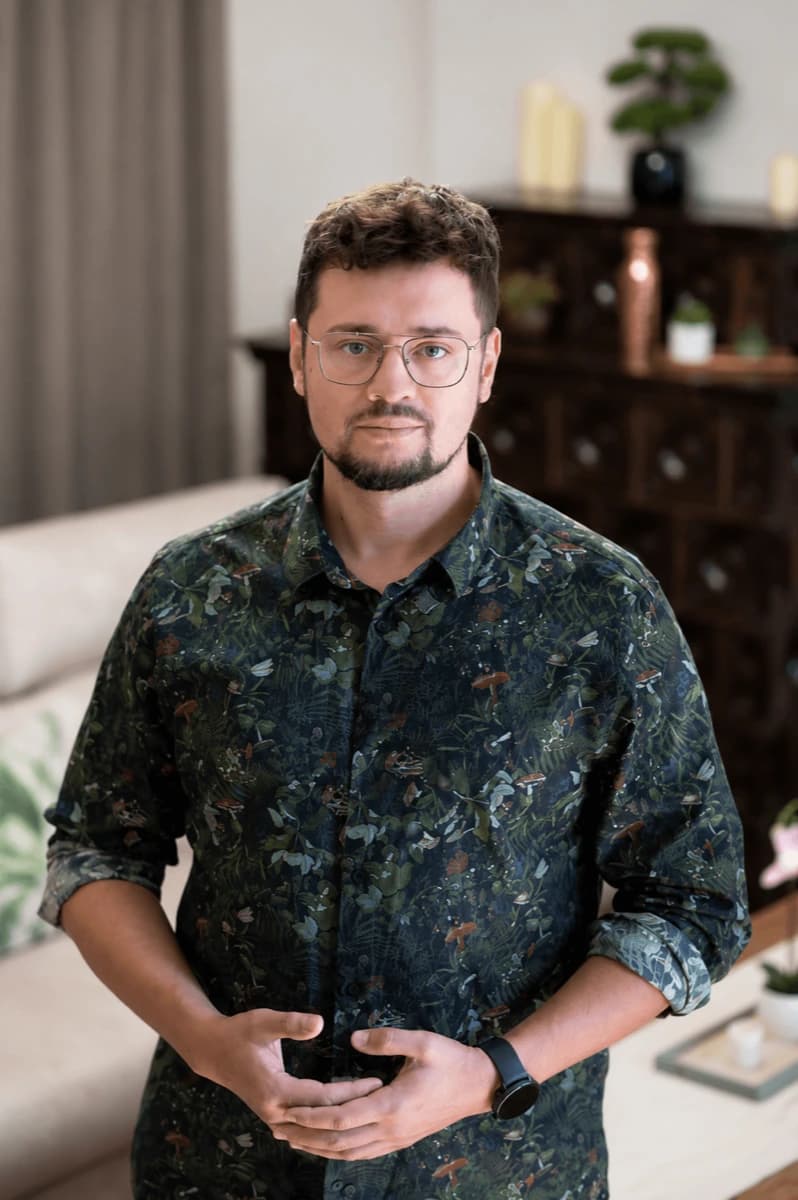
Write to Piotr
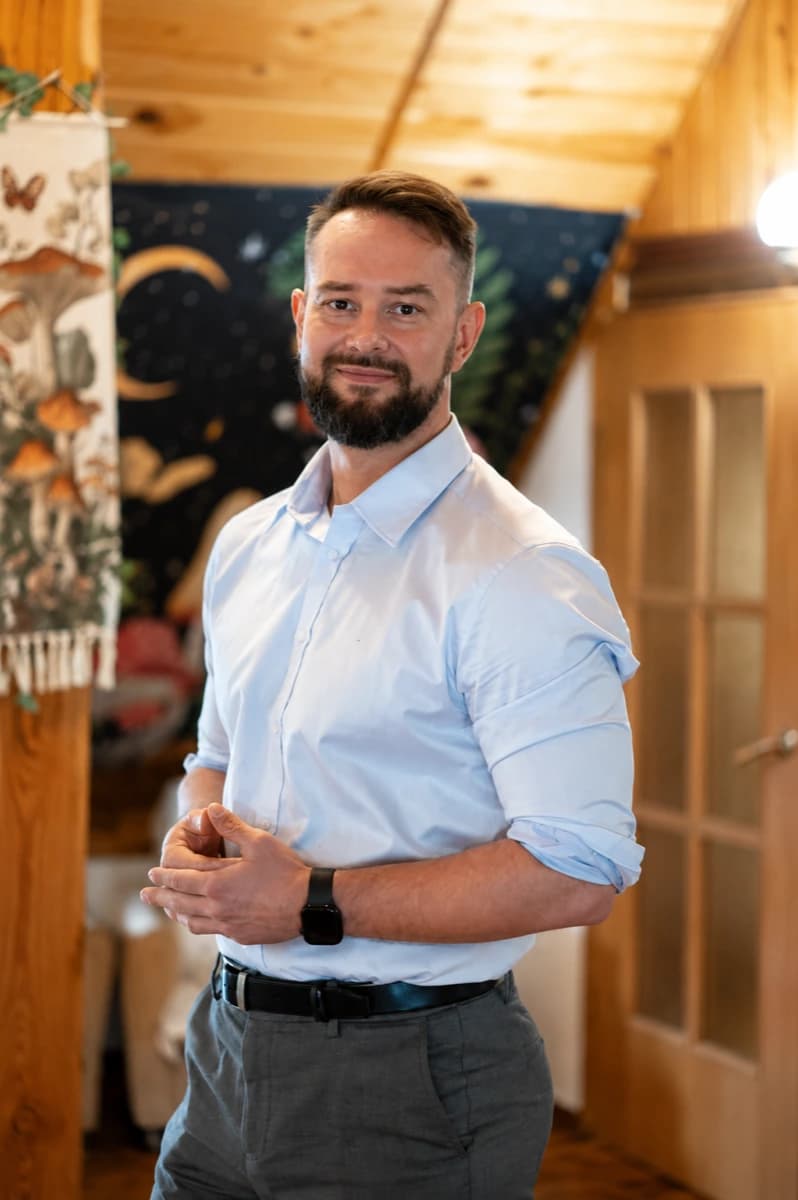
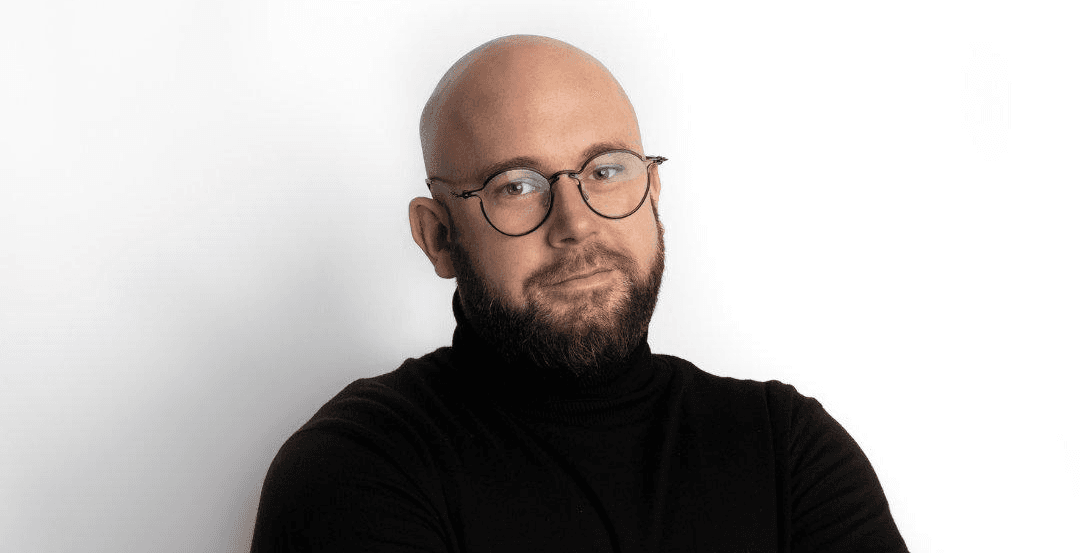
Adam Ligęza01

Adam Ligęza

  • ISTDP psychotherapist
  • psychedelic guide

Runs individual ISTDP processes. Combines attention to emotion with a clear structure for sessions and respect for the pace of the person he works with.

Rafał Robaszkiewicz02

Rafał Robaszkiewicz

  • Addiction consultant
  • psychedelic guide

Accompanies people who want to look honestly at their relationship with a substance or a behaviour. Works without shame, without pressure and without simple prescriptions.

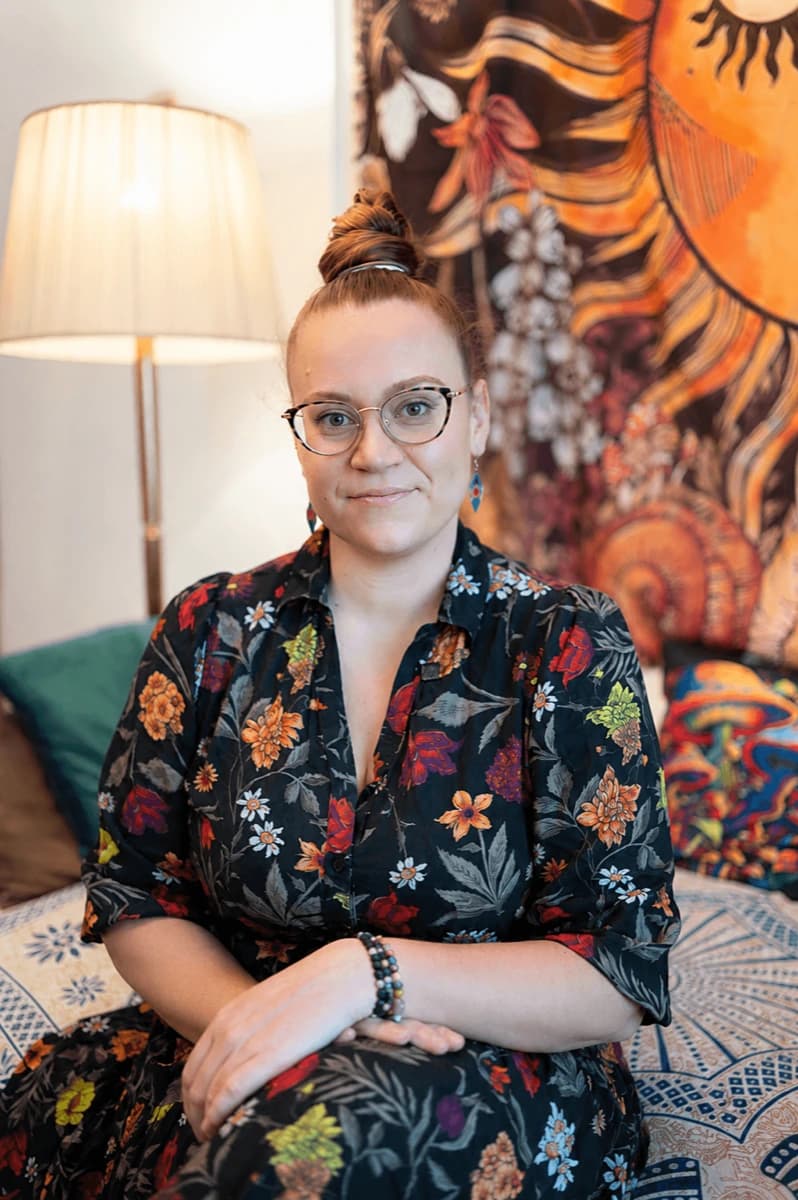
Magdalena Gajdzińska03

Magdalena Gajdzińska

  • Hypnotherapist
  • guide
  • breathwork facilitator

Runs hypnotherapy, breathwork, psychedelic integration and CAPT processes. Creates a calm, non-judgemental space and is currently completing certification in holotropic breathwork.

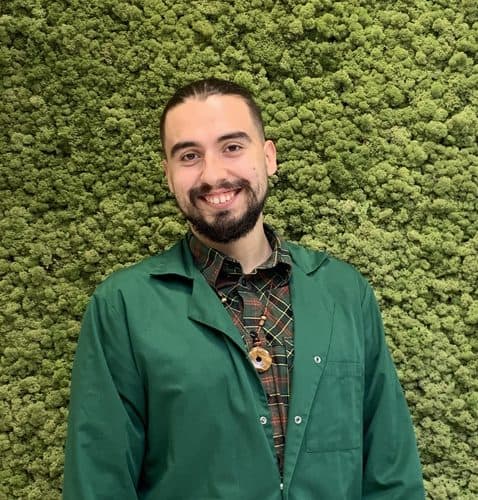
Eryk Gontarz04

Eryk Gontarz

  • CAPT practitioner
  • phytotherapist
  • educator

Brings the team knowledge of medical cannabis, harm reduction and responsible education. Co-creates the substantive frame of our CAPT processes.

Łukasz Bieliński05

Łukasz Bieliński

  • NVC trainer
  • psychedelic guide

Works with communication, boundaries and the quality of contact. Helps people name what matters without violence towards themselves and without losing the other person.

Owidiusz Okłota06

Owidiusz Okłota

  • Psychologist
  • PsyCare specialist

Has spent years supporting people going through difficult psychedelic experiences and training PsyCare volunteers. Brings experience in crisis intervention and harm reduction.

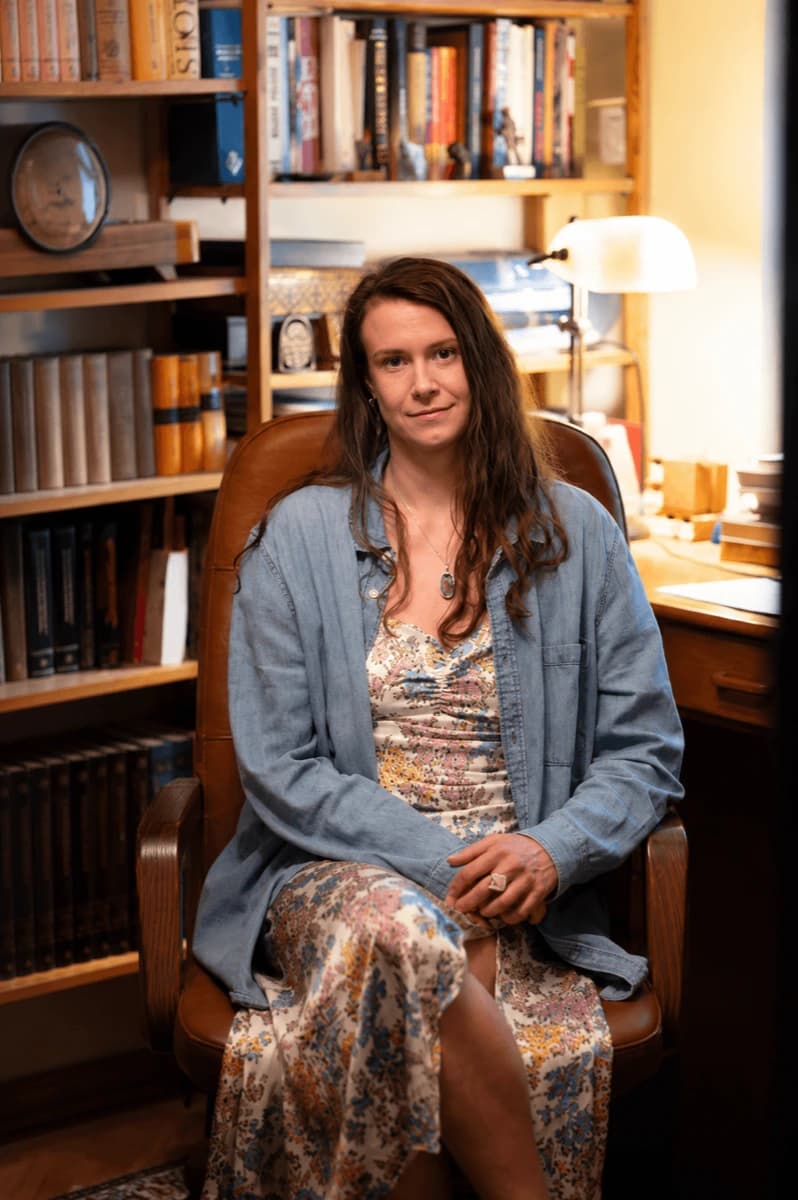
Weronika Wąsiakowska07

Weronika Wąsiakowska

  • Psychedelic guide
  • hypnotherapist
  • neuroscientist

Runs neurobiological consultations, hypnotherapy and psychedelic integration. Combines physiological measurement with work on safety, preparation and informed consent.

02 / Mission

Why we exist

To bring the psychedelic paradigm into professional practice — with rigour, ethics and respect for the client.

We believe that expanded states of consciousness — from those induced pharmacologically to those reached through breath, hypnosis or meditative practice — can be a valuable tool for growth, for work on oneself and for quality of life. We also believe those tools are powerful, demanding and easy to misuse.

Our mission is to build, in the Polish context, a professional practice of working in altered states of consciousness that meets three conditions at once: it is evidence-based (publications, clinical protocols, continuing education), it is ethically rigorous (transparency, supervision, trauma-informed care), and it is accessible — not only to a financial elite, but to people who can genuinely benefit.

Every day we make decisions guided by three questions. Is what we are doing supported by current knowledge? Are we keeping our role in service of the client? Could what we are doing be publicly defended as ethically sound?

03 / Vision

Where we are heading

A Poland in which work in expanded states of consciousness is safe, legal and accessible.

Within five years Poland should have a system in which people struggling with depression, PTSD or anxiety, or seeking deeper development, have legal access to professionally delivered psychedelic-assisted therapy — as is now the case in Australia, in some states of the USA, and in Switzerland. That requires legal regulation that distinguishes professional practice from charlatanry, a qualified workforce, and public education that raises the quality of the debate about psychedelics.

SACRUM wants to be one of the organisations that help build that future: by developing our own practice, training more guides, speaking in public debate, and working with regulators, academia and patients. We are not the first and we are not alone — but our commitment is total.

04 / Priorities

Four areas of energy

What we invest in first.

01

Quality of clinical practice

No compromises on safety, screening and supervision. We would rather turn a client away than run a session where the indications are unclear.

02

Building the workforce

Psychedelic Guide Training and SACRUM Academy are not side activities — they are our answer to a structural shortage of qualified practitioners in Poland. Every graduate of our programmes is an investment in the future of the field.

03

Accessibility

We are working towards a pricing model that does not exclude people on lower incomes. Part of what we do is, and will remain, free of charge. We invest in educational content in Polish, because a language barrier is a barrier to access.

04

Taking part in public debate

The regulation of psychedelics in Poland is being decided now. We are in dialogue with people from science, the media and lawmaking bodies — not to lobby for our own interest, but to supply reliable knowledge.

05 / What we do not want to be

Being clear about what we are needs clarity about what we are not

SACRUM has no ambition to be a «retreat centre» in the style of the ayahuasca centres of Latin America — not because we are critical of them, but because that is not our path, either in competence or in culture.

Nor does SACRUM want to be a «wellness psychedelics» startup selling quick fixes for life problems. Work in altered states of consciousness can be part of a developmental process, but it is not a magic pill. We say that clearly in every piece of marketing material.

SACRUM does not aspire to be «the biggest centre in Poland». We aspire to be the most rigorous — meaning the highest standard of safety, competence, ethics and transparency. Scale is a consequence, not a goal.

06 / Code of ethics

Public, so that we can be held to it

Work in expanded states of consciousness demands ethics that go beyond a standard professional code.

During a session a client is in a state of heightened suggestibility, heightened emotional openness and partially reduced contact with ordinary cognitive functioning. It is a state in which the guide holds an unusual amount of power over the client — and precisely for that reason it demands radical responsibility.

Our code draws on two sources: the Code of Ethics for Psychologists of the Polish Psychological Association (2018) — the professional foundation for working with another person in Poland — and “The Ethics of Caring” by Kylea Taylor, LMFT, a work devoted directly to the ethics of accompanying clients in non-ordinary states of consciousness.

01

The client's good comes first

Every decision we make — from recommending a method, through how a session is run, to when a process ends — has to serve the client's good, not our financial or reputational interest. Where there is a conflict, the client wins.

Corresponds to Art. 4–9 of the Polish Psychological Association's Code of Ethics (care for the recipient's welfare, the principle of non-maleficence) and to Kylea Taylor's category of «power» — the asymmetry between guide and client in a state of heightened suggestibility.

02

Transparency

Information about our legal structure, the team's qualifications, our working protocols, prices and limitations is public. We do not sell promises we cannot keep. We do not use medical terminology we are not entitled to use.

Corresponds to the principle of honesty in the Polish Psychological Association's Code of Ethics and to the category of «truth» — candour towards the client as a condition of safe work in non-ordinary states of consciousness.

03

Not crossing professional boundaries

During sessions we do not engage in physical contact beyond basic support. We do not work with people we have non-professional relationships with. We do not form non-professional relationships with people we work with.

A direct development of Kylea Taylor's categories of «oneness» and «sex» — in states where the boundary between self and other is blurred, it is especially easy to step out of role without noticing.

04

Supervision and continuing education

Everyone running sessions at SACRUM takes part in regular supervision and in annual continuing education (a minimum of 40 hours). Work in expanded states of consciousness is an area where there are no «finished specialists» — only continuous practice.

Corresponds to Art. 12 of the Polish Psychological Association's Code of Ethics — the duty of supervision and consultation in uncertain cases, and the use of methods with sufficient scientific grounding.

05

Readiness to say no

If indications against continuing appear during screening or during the work itself, we decline. If a client makes decisions we judge to be risky, we say so clearly, even at the cost of losing that client.

Corresponds to the principle of competence in the Polish Psychological Association's Code of Ethics — acting only within the limits of one's own skill — and to Taylor's category of «insight»: a guide does not claim the right to the one correct interpretation of a client's experience.

Do you have an ethical concern about SACRUM's work? Write to us at kontakt@psychedelictherapy.pl. We treat every report seriously and in confidence.

First step

Start with a conversation.

You do not need to know which person or which method you need. Write a few sentences about your situation. The free first call lasts 15 minutes and commits you to nothing.

Book a free call